

Surgical dentistry
Tooth Extraction in Plantation, FL
Gentle tooth extraction in Plantation, FL for broken, infected or crowded teeth, with thorough numbing, same-day emergency visits and a plan to replace the tooth.
- Stops pain and infection
- Protects your other teeth
- Gentle, comfort-first care

Overview
What to know about tooth extraction
No one looks forward to having a tooth pulled - but when a tooth is badly broken, infected or loose, removing it is often the fastest way to stop the pain and protect the rest of your smile. At Westside Dental Center, we provide gentle tooth extraction in Plantation, FL, with careful numbing, a calm team and a clear plan for what comes next.
Dr. Uttma Dham has more than 20 years of experience, and her approach is simple: save your natural tooth whenever we can, and when a tooth extraction really is the best option, make it as comfortable and predictable as possible.
When is a tooth extraction needed?
We always look for a way to save a tooth first - often with a filling, a root canal or a crown. Tooth removal may be the best choice when:
- A tooth is too badly decayed or broken to be repaired
- A tooth has cracked below the gum line or down the root
- An infection can't be treated with a root canal, or keeps coming back
- A tooth is loose because of advanced gum disease
- Teeth are crowded and need to make room for orthodontic treatment
- A baby tooth won't fall out on its own and is blocking the adult tooth
- A failing tooth is being replaced with a dental implant
Simple vs. surgical tooth extraction
A simple tooth extraction is used for a tooth that is fully visible in the mouth. After numbing the area, Dr. Dham gently loosens the tooth and lifts it out. Most simple extractions take only a few minutes.
A surgical tooth extraction is used when a tooth has broken off at the gum line, has curved or long roots, or hasn't fully come in. A small opening in the gum gives access to the tooth, which may be removed in sections to protect the surrounding bone. It sounds more involved than it feels - you're numb throughout, and many patients are surprised by how quick it is.
Tooth extractions for children
As a family practice, we also help children when a baby tooth needs to come out - for example, when it's badly decayed, damaged in a fall, or won't fall out on its own and is blocking the adult tooth underneath. We take extra time to explain each step in kid-friendly language, numb the area gently and keep the visit short and calm. If a baby tooth is lost early, we'll check whether a space maintainer is needed to keep room for the adult tooth.
Emergency tooth extraction
A broken tooth, a swollen face or pain that keeps you up at night can't wait. We keep time open for urgent care, and Fridays are reserved for surgeries and emergencies, so an emergency tooth extraction can often be done the same day you call. Call or text (954) 476-4535, tell us what happened, and we'll get you in as quickly as we can. Learn more on our emergency dentist page.
How much does a tooth extraction cost?
The cost depends on the tooth and the type of procedure. The main factors are:
- Whether it's a simple or a surgical procedure
- The tooth's location, size and number of roots - back molars take more time than front teeth
- Whether X-rays or 3D imaging are needed
- Whether a bone graft is placed to prepare for an implant
- The type of anesthesia or sedation you choose
We're in-network with most PPO dental plans, and most plans cover part of a medically necessary extraction. You'll get a clear estimate before treatment, and flexible financing is available through CareCredit, Proceed Finance and LendingClub Patient Solutions.
Replacing a missing tooth after an extraction
Unless the tooth is a wisdom tooth or was removed for orthodontic reasons, we'll talk with you about replacing it. When a gap is left open, the teeth beside it can drift, the tooth above or below can over-erupt, and the jawbone in that spot slowly shrinks. Your options include:
- A dental implant - a permanent replacement that also preserves the jawbone
- A dental bridge - a fixed tooth supported by the teeth on either side
- A partial or full denture - a removable option for several missing teeth
Do you need a bone graft after a tooth extraction?
If you plan to replace the tooth with an implant, Dr. Dham may recommend a bone graft - sometimes called socket preservation - at the same visit as your extraction. Graft material placed in the empty socket helps keep the bone full and strong while it heals, so there's enough bone to support an implant later. Our board-certified periodontist, Dr. Sawan Malik, also cares for patients with more complex bone and gum needs.
Tooth extraction healing timeline
Healing after a tooth removal is usually quicker than people expect. Here's what a typical recovery looks like:
- The first 24 hours: A blood clot forms in the socket. Bite gently on gauze, rest and keep your head raised. Don't rinse, spit or use a straw.
- Days 2 to 3: Mild swelling and tenderness start to ease. Begin gentle warm salt-water rinses.
- Days 3 to 7: The gum starts to close over the socket and most discomfort fades.
- Weeks 1 to 3: The gum tissue heals over. The bone underneath keeps filling in for the next few months.
What to eat after a tooth extraction
For the first day or two, choose soft, cool or lukewarm foods - yogurt, applesauce, smoothies eaten with a spoon, mashed potatoes, scrambled eggs, soup that isn't too hot, oatmeal and pasta. Chew on the other side of your mouth, and slowly return to your normal diet as the area feels better.
Avoid crunchy, hard, spicy and very hot foods for several days, and skip alcohol, smoking and straws while the socket heals.
How to prevent dry socket
Dry socket is the most common problem after an extraction. It happens when the protective blood clot is lost too early, and it usually causes throbbing pain two to four days later. To protect the clot, avoid straws, smoking, vaping and forceful spitting, and follow your aftercare instructions closely. If the pain gets worse instead of better, call us - a soothing dressing usually brings quick relief.
Having wisdom teeth taken out? See our dedicated wisdom teeth removal page. We provide tooth extraction for patients from Plantation, Sunrise, Davie, Weston, Cooper City and Fort Lauderdale.
Benefits
Why patients choose Tooth Extraction
Stops pain and infection
Removing a tooth that can't be saved ends the ache and clears the source of infection.
Protects your other teeth
Keeps decay and infection from spreading to the teeth, gums and bone around it.
Gentle, comfort-first care
Thorough numbing, a calm team and sedation options to discuss if you're nervous.
Same-day emergency visits
Urgent extractions are often handled the day you call - Fridays are reserved for surgeries and emergencies.
Planned with 3D imaging
Digital X-rays and in-office CBCT show the roots before we begin.
A plan for what's next
Implant, bridge or denture options - and a bone graft when needed - all discussed up front.
Step by step
How your treatment works
Exam & Imaging
Dr. Dham examines the tooth and takes digital X-rays - plus a 3D CBCT scan when the roots or nearby nerve need a closer look.
Save or Remove?
We explain whether the tooth can be saved, why an extraction may be best, and what it will cost - before anything begins.
Thorough Numbing
The area is numbed completely. If you feel anxious, we'll talk about sedation options ahead of time.
Gentle Extraction
Simple extractions are lifted out gently. Surgical extractions may be removed in small sections to protect the bone.
Protecting the Socket
We clean the site and place gauze, dissolving stitches or a bone graft when it's part of your plan.
Aftercare & Replacement
You leave with clear aftercare instructions and a plan to replace the tooth if needed.
Who it’s for
Is tooth extraction right for you?
- Have a tooth that is badly decayed or broken beyond repair
- Have a tooth cracked below the gum line
- Have an infected tooth that a root canal can't save
- Have a tooth loosened by advanced gum disease
- Need room made for braces or Invisalign
- Are replacing a failing tooth with a dental implant
What to expect
Your visit, clearly explained
- An honest look at whether your tooth can be saved first
- Thorough numbing - you'll feel pressure, not pain
- Most simple extractions finished in minutes
- Mild soreness for a day or two, eased with ice and pain relievers
- Clear written aftercare instructions
- A plan to replace the tooth if you need one
Technology
Precision you can feel
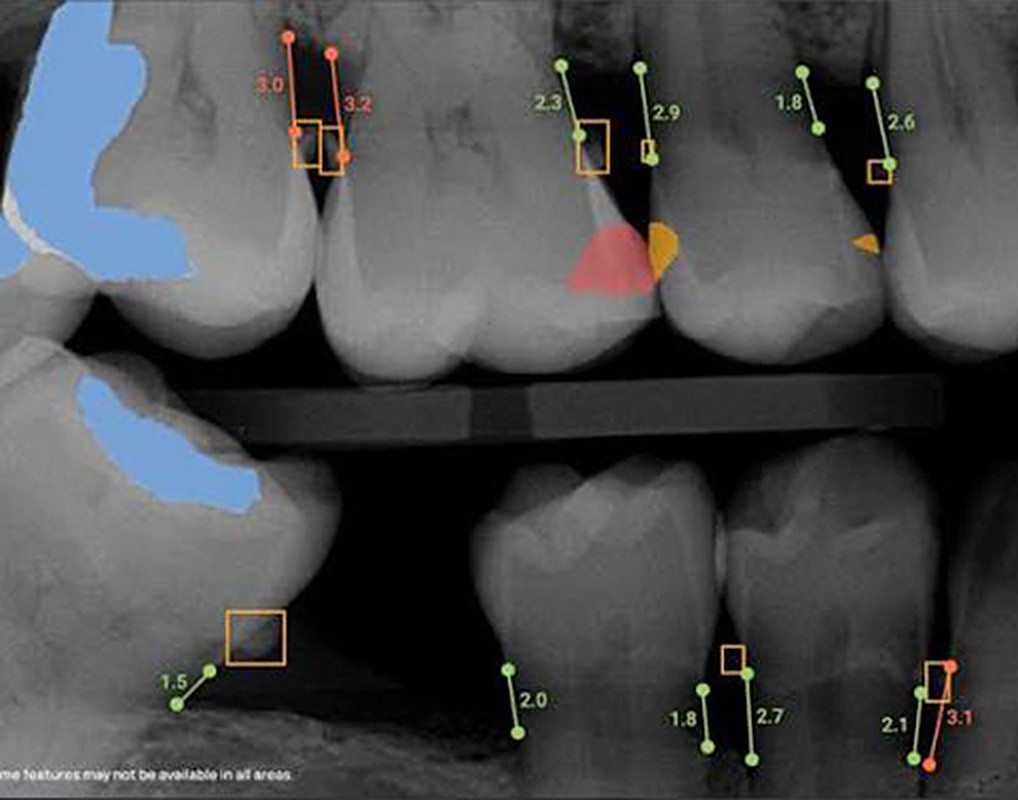
Every extraction starts with clear images. Digital X-rays use far less radiation than film, and AI-assisted X-ray analysis helps highlight decay, infection and bone loss. When a tooth has curved roots or sits near the nerve or sinus, our in-office cone beam CT (CBCT) scanner shows it in 3D, so the extraction can be planned precisely.
If you're replacing the tooth with an implant, the same 3D scan and an iTero digital scan are used to plan your implant - often right from the day of your extraction.
FAQs
Questions about tooth extraction
Can’t find your answer? Call us at (954) 476-4535.
Does a tooth extraction hurt?
You shouldn't feel pain during the procedure. The area is numbed thoroughly first, so you'll feel pressure but not sharp pain. Afterward, mild soreness for a day or two is normal and usually eases with ice and over-the-counter pain relievers.
How long does a tooth extraction take?
A simple tooth extraction often takes just a few minutes once the area is numb. Surgical extractions can take longer. Plan for about an hour for your whole appointment, including numbing and aftercare instructions.
How much does a tooth extraction cost?
Tooth extraction cost depends on whether it's simple or surgical, the tooth's location and roots, imaging, any bone graft and the anesthesia used. We'll give you a clear estimate first, check your insurance and offer financing through CareCredit, Proceed Finance and LendingClub.
Do you offer emergency tooth extraction?
Yes. We keep time open for urgent care, and Fridays are reserved for surgeries and emergencies. Call or text (954) 476-4535 and we'll see you as quickly as we can - often the same day.
How long does it take to heal after a tooth extraction?
Most people feel much better within two to three days. The gum usually closes over within one to three weeks, and the bone underneath continues to fill in over the next few months.
What can I eat after a tooth extraction?
For the first day or two, eat soft, cool or lukewarm foods like yogurt, applesauce, mashed potatoes, eggs, soup and pasta. Avoid crunchy, spicy and very hot foods, and don't use a straw while the socket heals.
How do I prevent dry socket?
Protect the blood clot: don't use straws, don't smoke or vape, avoid forceful spitting and rinsing for the first day, and follow your aftercare instructions. If pain gets worse two to four days after the extraction, call us.
Can you pull a tooth that is infected?
Often, yes. In many cases removing an infected tooth is the quickest way to drain the infection and relieve the pain. If there is a lot of swelling, Dr. Dham may first prescribe antibiotics to calm the infection, then remove the tooth. Either way, don't wait - a tooth infection can spread if it isn't treated.
Should I replace a tooth after an extraction?
In most cases, yes - except for wisdom teeth or teeth removed for braces. Replacing the tooth with an implant, bridge or denture keeps neighboring teeth from shifting and helps preserve your bite and jawbone.
Do I need a bone graft after a tooth extraction?
Not always. If you plan to get a dental implant, a bone graft placed at the time of extraction can help preserve the bone so the implant has a strong foundation. Dr. Dham will tell you whether it's recommended for you.
Can I go to work after a tooth extraction?
Many people return to work or school the next day after a simple extraction. After a surgical extraction, you may want a day or two to rest, and you should avoid strenuous exercise for a few days.
Related treatments
You may also be interested in

Wisdom Teeth Removal
Gentle wisdom teeth removal in Plantation, FL, planned with an in-office 3D CBCT scan so impacted or painful wisdom teeth come out safely and comfortably.

Dental Implants
Dental implants in Plantation, FL - permanent, natural-looking replacements for one tooth, several teeth or a full arch, planned with CT imaging and 3D-printed surgical guides.

Dental Bridge Treatment
Dental bridge treatment in Plantation, FL - custom porcelain and implant-supported bridges that replace missing teeth, often milled right in our office.
New & existing patients
Need a Tooth Extraction?
Book a visit with Dr. Dham to find out whether your tooth can be saved - and if it can't, how we'll remove it gently and replace it. In pain now? Call or text (954) 476-4535.